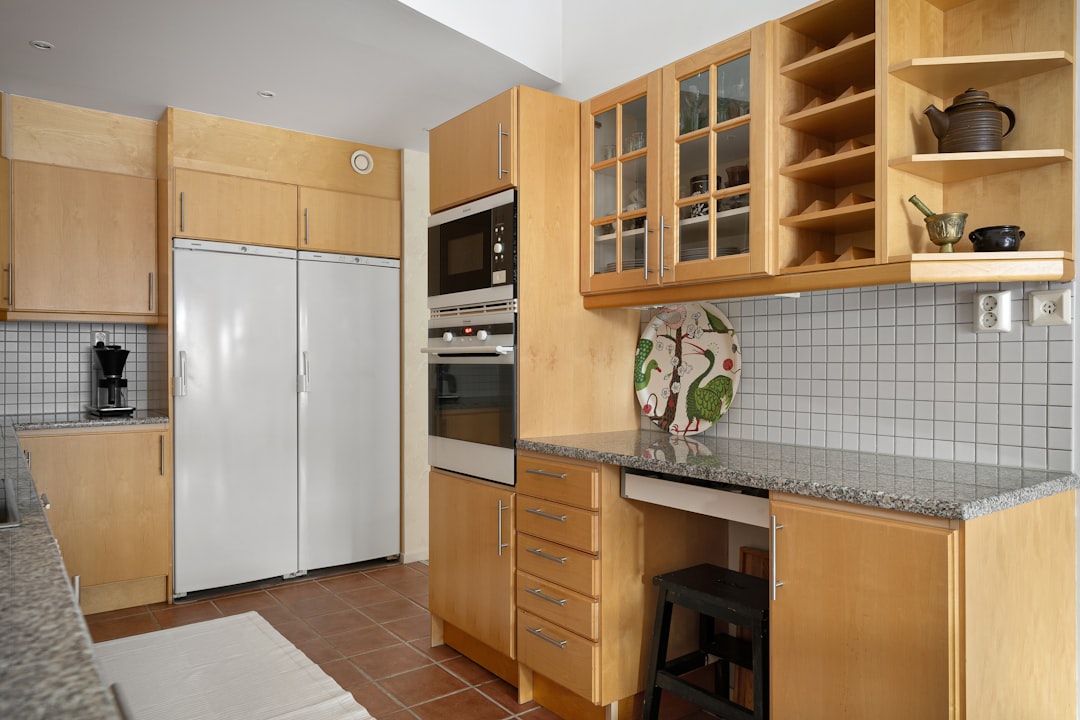
What to Expect from a Professional Kitchen Renovation
Embarking on a renovation project can be both exhilarating and daunting. I often find that the first step in this journey is to fully grasp the process involved. Renovation is not merely about changing the aesthetics of a space; it encompasses a series of stages that require careful planning and execution.
From conceptualizing the design to the final touches, each phase plays a crucial role in achieving the desired outcome. I’ve learned that understanding this process helps me navigate through the complexities and makes the entire experience more manageable. As I delve deeper into the renovation process, I realize that it begins with a vision.
I take time to envision what I want my space to look like, considering both functionality and style. This initial stage often involves gathering inspiration from various sources, such as magazines, websites, and even friends’ homes. Once I have a clear idea of my goals, I can move on to the next steps, which include budgeting, selecting materials, and ultimately executing the plan.
Each of these components is interconnected, and having a solid understanding of the overall process allows me to make informed decisions along the way.
Key Takeaways
- Understand each step of the renovation process to plan effectively.
- Set realistic expectations and budget to avoid surprises.
- Choose quality materials and appliances that fit your design and needs.
- Manage the timeline carefully and prepare for unexpected challenges.
- Collaborate with professional contractors to ensure quality workmanship and satisfaction.
Setting Realistic Expectations
Setting realistic expectations is another critical aspect of any renovation project. I’ve learned that it’s easy to get carried away with grand ideas and lofty goals, but it’s essential to ground those aspirations in reality. I often remind myself that renovations can take time, and unforeseen delays are not uncommon.
By acknowledging this upfront, I can better prepare myself for the journey ahead. It’s important to remember that while I may want everything to be perfect, there will inevitably be bumps along the road. Moreover, I find that managing my expectations also involves understanding my limitations—both in terms of budget and time.
I’ve had to come to terms with the fact that not every dream can be realized within my financial constraints. By setting achievable goals, I can focus on what truly matters and prioritize elements that will have the most significant impact on my space. This approach not only alleviates stress but also allows me to appreciate the progress made throughout the renovation.
Budgeting for the Renovation
Budgeting is perhaps one of the most crucial steps in any renovation project. I’ve learned that having a clear financial plan helps me avoid overspending and ensures that I allocate resources effectively. To create a realistic budget, I start by listing all potential expenses, including materials, labor, permits, and unexpected costs.
This comprehensive approach allows me to see the bigger picture and helps me make informed decisions about where to invest my money. As I work through my budget, I also make it a point to set aside a contingency fund for unexpected expenses. Renovations rarely go exactly as planned, and having a financial cushion gives me peace of mind.
I’ve found that being transparent about my budget with contractors and suppliers can also lead to better deals and more accurate estimates. By communicating my financial limitations upfront, I can foster a collaborative environment where everyone is working towards the same goal—creating a beautiful space within my means.

Choosing the Right Materials
Selecting materials for my renovation is an exciting yet challenging task. With so many options available, it’s easy to feel overwhelmed. I often start by considering both aesthetics and functionality when choosing materials.
For instance, while I may be drawn to a particular type of flooring for its beauty, I also need to think about its durability and maintenance requirements. Striking this balance is essential for ensuring that my choices stand the test of time. I also take into account sustainability when selecting materials.
In recent years, I’ve become increasingly aware of the environmental impact of my choices. Whenever possible, I opt for eco-friendly materials that not only look great but also contribute to a healthier planet. This consideration adds another layer of complexity to my decision-making process but ultimately makes me feel more satisfied with my choices.
By carefully evaluating each material’s pros and cons, I can create a space that reflects my values while still meeting my design goals.
Designing the Layout
Designing the layout of my renovated space is one of the most enjoyable aspects of the process. It’s where creativity meets practicality, and I relish the opportunity to reimagine how my space will function. I often start by sketching out different configurations and considering how each area will be used.
This step allows me to visualize how people will move through the space and interact with various elements. As I design the layout, I also keep in mind the importance of flow and accessibility. I want my space to feel open and inviting while ensuring that it meets the needs of everyone who will use it.
This often involves making tough decisions about which features to prioritize and which areas may need to be sacrificed for better functionality. Ultimately, I strive for a layout that not only looks good on paper but also enhances everyday living.
Selecting Appliances and Fixtures
When it comes to selecting appliances and fixtures for my renovation, I find that functionality is just as important as style. While it’s tempting to choose items based solely on their appearance, I’ve learned that investing in high-quality appliances can significantly impact my daily life. For instance, opting for energy-efficient appliances not only reduces utility bills but also contributes to a more sustainable lifestyle.
I also pay close attention to how appliances and fixtures will fit into my overall design scheme. The right choices can elevate the aesthetic appeal of my space while ensuring that everything works harmoniously together. Whether it’s selecting a sleek refrigerator or choosing stylish faucets, each decision contributes to the overall ambiance of my home.
By taking the time to research options and consider how they align with my vision, I can create a cohesive look that reflects my personal style.

Managing the Timeline
Managing the timeline of my renovation project is crucial for keeping everything on track. From experience, I know that delays can quickly spiral out of control if not addressed early on. To avoid this pitfall, I create a detailed schedule outlining each phase of the renovation process.
This timeline serves as a roadmap, helping me stay organized and focused on meeting deadlines. I also make it a point to communicate regularly with contractors and suppliers about progress and any potential delays. Open lines of communication help me address issues as they arise rather than letting them fester into larger problems down the line.
Additionally, I’ve learned to build some flexibility into my timeline; unexpected challenges are bound to occur during renovations, so having a buffer allows me to adapt without feeling overwhelmed.
Dealing with Unexpected Challenges
No renovation project is without its share of unexpected challenges, and I’ve certainly faced my fair share over the years. Whether it’s discovering hidden structural issues or dealing with delays in material delivery, these obstacles can be frustrating. However, I’ve come to realize that how I respond to these challenges is what truly matters.
Instead of letting setbacks derail my progress, I try to approach them with a problem-solving mindset. When faced with an unexpected challenge, I take a step back and assess the situation objectively. This often involves consulting with professionals who can provide guidance on how best to proceed.
By remaining calm and open-minded, I can find solutions that keep my project moving forward while minimizing stress. Embracing these challenges as part of the renovation journey has taught me resilience and adaptability—qualities that serve me well in all aspects of life.
Working with a Professional Contractor
Collaborating with a professional contractor has been one of the most beneficial decisions I’ve made during my renovation projects. A skilled contractor brings expertise and experience that can significantly enhance the quality of work being done. When selecting a contractor, I prioritize finding someone who understands my vision and communicates effectively throughout the process.
I’ve learned that establishing clear expectations from the outset is essential for fostering a positive working relationship. This includes discussing timelines, budgets, and any specific requirements I may have for the project. By maintaining open lines of communication and being receptive to their suggestions, I create an environment where collaboration thrives.
Ultimately, working with a professional contractor not only alleviates some of the burdens associated with renovations but also ensures that my vision is executed with precision.
Ensuring Quality Workmanship
Quality workmanship is paramount in any renovation project, and I’ve made it a priority in all my endeavors. To ensure that every detail meets my standards, I conduct regular inspections throughout the process. This proactive approach allows me to catch any issues early on before they become more significant problems down the line.
I also make it a point to communicate openly with contractors about my expectations regarding quality. By discussing specific standards upfront, we can work together towards achieving a final product that reflects both our visions. Additionally, I’ve learned to trust my instincts; if something doesn’t feel right or align with my expectations, I speak up immediately rather than waiting until completion.
Enjoying the Finished Product
After months of hard work and dedication, there’s nothing quite like standing back and admiring the finished product of my renovation project. The sense of accomplishment is incredibly rewarding; it’s a testament to all the planning, budgeting, and problem-solving that went into creating this new space. As I walk through each room, I’m filled with pride knowing that every detail was carefully considered and executed.
Moreover, enjoying the finished product goes beyond mere aesthetics; it’s about how this newly renovated space enhances my daily life. Whether it’s hosting friends for dinner or simply relaxing in a beautifully designed room, every moment spent in this space feels special. I’ve learned that renovations are not just about transforming physical spaces; they’re about creating environments where memories are made and cherished for years to come.
When considering a professional kitchen renovation, it’s essential to understand the broader implications of custom design and craftsmanship in your home. For instance, you might find it beneficial to explore the article on the importance of custom carpentry, which discusses how tailored solutions can enhance not only your kitchen but also other areas of your home. This insight can help you appreciate the value of personalized renovations that meet your specific needs and style preferences.
FAQs
What is a professional kitchen renovation?
A professional kitchen renovation involves hiring experienced contractors and designers to update or completely remodel a kitchen. It typically includes structural changes, new cabinetry, countertops, appliances, lighting, and flooring to improve functionality and aesthetics.
How long does a professional kitchen renovation usually take?
The duration of a professional kitchen renovation varies depending on the scope of work but generally ranges from 4 to 12 weeks. Factors such as design complexity, material availability, and contractor schedules can affect the timeline.
What are the benefits of hiring professionals for a kitchen renovation?
Hiring professionals ensures expert design advice, quality workmanship, adherence to building codes, efficient project management, and access to reliable suppliers. This often results in a smoother renovation process and a higher-quality finished kitchen.
How much does a professional kitchen renovation typically cost?
Costs vary widely based on kitchen size, materials, and project complexity. On average, a professional kitchen renovation can range from $15,000 to $50,000 or more. It is important to get detailed quotes and budget accordingly.
Will I need to live elsewhere during the renovation?
Depending on the extent of the renovation, some homeowners choose to live elsewhere temporarily due to noise, dust, and lack of kitchen access. However, many renovations are managed to allow continued use of parts of the kitchen.
What should I prepare before starting a kitchen renovation?
Preparation includes setting a budget, defining your design preferences, selecting materials and appliances, and clearing out the kitchen. It’s also helpful to plan for alternative cooking arrangements during the renovation.
Can I customize the design during the renovation process?
Yes, but major design changes during construction can cause delays and additional costs. It’s best to finalize the design plan with your contractor before work begins to ensure a smooth renovation.
How do professionals handle unexpected issues during renovation?
Experienced contractors anticipate potential problems and include contingencies in the project plan. If unexpected issues arise, they communicate promptly with the homeowner to discuss solutions and any impact on budget or timeline.
Will a kitchen renovation increase my home’s value?
A well-executed kitchen renovation can significantly increase a home’s market value and appeal to potential buyers, especially if it improves functionality and modernizes the space.
What permits are required for a professional kitchen renovation?
Permits depend on local building codes and the scope of work. Structural changes, electrical, and plumbing work typically require permits. A professional contractor usually handles the permit application process.