Expert Painting Tips and Services for Vancouver Homeowners
As a seasoned professional deeply immersed in the world of residential painting, I often observe a recurring sentiment among Vancouver homeowners: the desire for a refreshed living space, juxtaposed with a degree of trepidation concerning the painting process itself. My aim in this article is to demystify this process, offering practical, expert-level advice and insights into accessing quality painting services specifically tailored for our unique Vancouver environment. I will guide you through the intricate steps of selecting the right paint, preparing surfaces, and understanding the nuances of professional engagement, ensuring your home renovation journey is both informed and successful.
Living in Vancouver presents a specific set of challenges and opportunities when it comes to exterior and interior painting. Our climate, characterized by significant rainfall and varying humidity levels, directly impacts the longevity and performance of paint. Interior-wise, the prevalence of diverse architectural styles, from heritage homes in Kitsilano to modern condominiums in Yaletown, demands a versatile approach to color and technique.
Climate Considerations for Exterior Painting
My experience has taught me that overlooking Vancouver’s weather patterns is an expensive mistake. The relentless rain necessitates the use of high-quality, weather-resistant exterior paints designed to withstand moisture and prevent mildew growth. I often advise clients to consider acrylic latex paints over oil-based options for exteriors, primarily due to their flexibility, breathability, and superior resistance to cracking and peeling when exposed to frequent temperature fluctuations and moisture. The ability of modern acrylics to expand and contract with the substrate, much like a chameleon adapting to its surroundings, makes them ideal for our dynamic climate. Furthermore, the selection of lighter color palettes can help mitigate heat absorption, a beneficial factor during our surprisingly warm summers, thereby reducing UV degradation over time.
Interior Aesthetic Trends and Architectural Styles
Within the confines of your home, the design aspirations often dictate the painting approach. Vancouver’s interior design scene is a vibrant tapestry, ranging from the minimalist Scandinavian influences popular in new builds to the restored Victorian grandeur found in older neighborhoods. When I consult with homeowners, my first step is always to understand the existing architectural character. A heritage home with intricate trim work might warrant a classic, deep color palette and a satin finish, which elegantly highlights rather than overwhelms its details. Conversely, a contemporary loft often benefits from a monochromatic scheme or bold accent walls using matte or eggshell finishes, creating a sleek and modern aesthetic. The choice of finish plays a crucial role; a satin finish, for example, reflects light more than a matte but less than a semi-gloss, providing a subtle sheen that is both durable and easy to clean – a practical consideration for high-traffic areas, much like a protective, yet elegant, skin for your walls.
For Vancouver homeowners looking to enhance their living spaces, understanding the nuances of painting can make a significant difference in the overall aesthetic and value of a home. To delve deeper into expert painting tips and services tailored specifically for the Vancouver area, you can check out this informative article: Expert Painting Tips and Services for Vancouver Homeowners. This resource provides valuable insights and practical advice to ensure your painting project is a success.
The Art and Science of Paint Selection
Choosing the right paint extends far beyond simply picking a color chip. It’s a complex decision influenced by durability requirements, environmental factors, and personal aesthetic preferences. I view paint as more than just a decorative coating; it’s a protective barrier, an insulator, and a mood setter.
Understanding Paint Types and Their Applications
The paint aisle can be overwhelming, a kaleidoscope of brands, sheens, and specialized formulations. However, I simplify it into two main categories: latex (water-based) and alkyd (oil-based). For most interior applications, I recommend high-quality latex paints due to their quick drying time, low VOC (Volatile Organic Compound) content, and easy cleanup. Modern latex paints have excellent durability and can be formulated for specific uses, such as kitchen and bathroom paints with enhanced mildew resistance. Oil-based paints, while more durable in specific scenarios like trim or high-traffic doors due to their hard, enamel-like finish, require mineral spirits for cleanup and emit more VOCs, making them less environmentally friendly and contributing to a longer-lasting odor. I often compare the choice between latex and oil-based to choosing between a flexible, breathable performance fabric and a rigid, durable armor – each has its specific strengths and ideal applications.
Color Theory and Its Impact on Living Spaces
Color is perhaps the most emotive aspect of painting. As an expert, I understand that color is a silent language, communicating feelings and setting the tone for an entire room. When advising on color, I take into account the room’s natural light, its function, and the homeowner’s desired mood. Cooler colors like blues and greens can evoke tranquility and spaciousness, ideal for bedrooms or bathrooms. Warmer colors like reds and oranges, though less common for entire rooms, can create energy and coziness, often used as accent walls or in dining areas. Neutrals, ranging from warm beiges to cool grays, offer versatility and serve as an excellent canvas for decor. I often suggest clients observe how natural light changes throughout the day in the chosen room, as a color that appears perfect under artificial light may look entirely different in natural daylight. This observation is like watching a play unfold on a stage – the same actors can appear drastically different under varying lighting conditions.
Meticulous Surface Preparation: The Foundation of a Flawless Finish
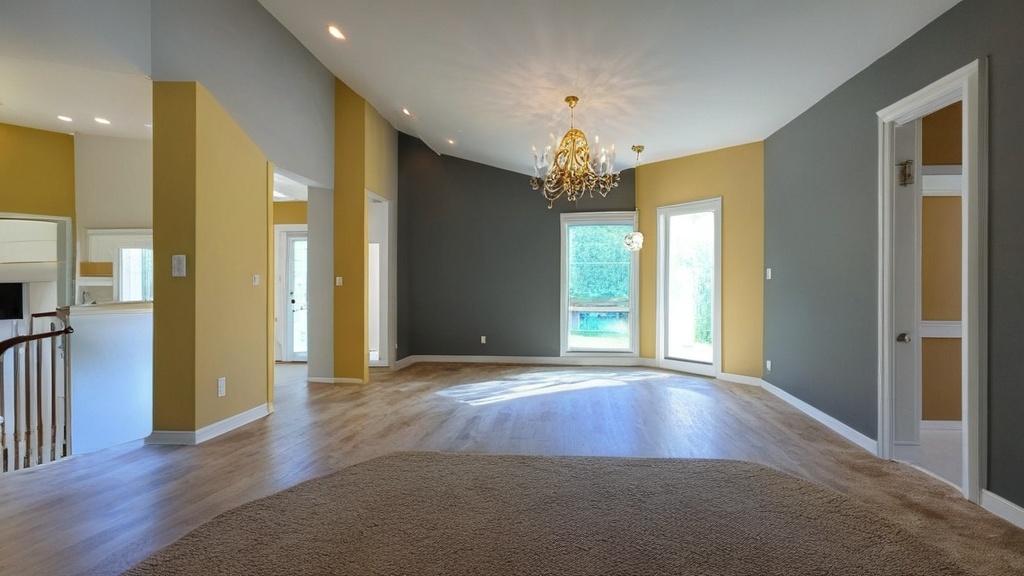
In my professional opinion, surface preparation is not merely a step in the painting process; it is the foundational element that dictates the success and longevity of any paint job. Neglecting this crucial stage is akin to building a house on sand – no matter how beautiful the superstructure, it is destined for failure.
Cleaning and Repairing Walls and Ceilings
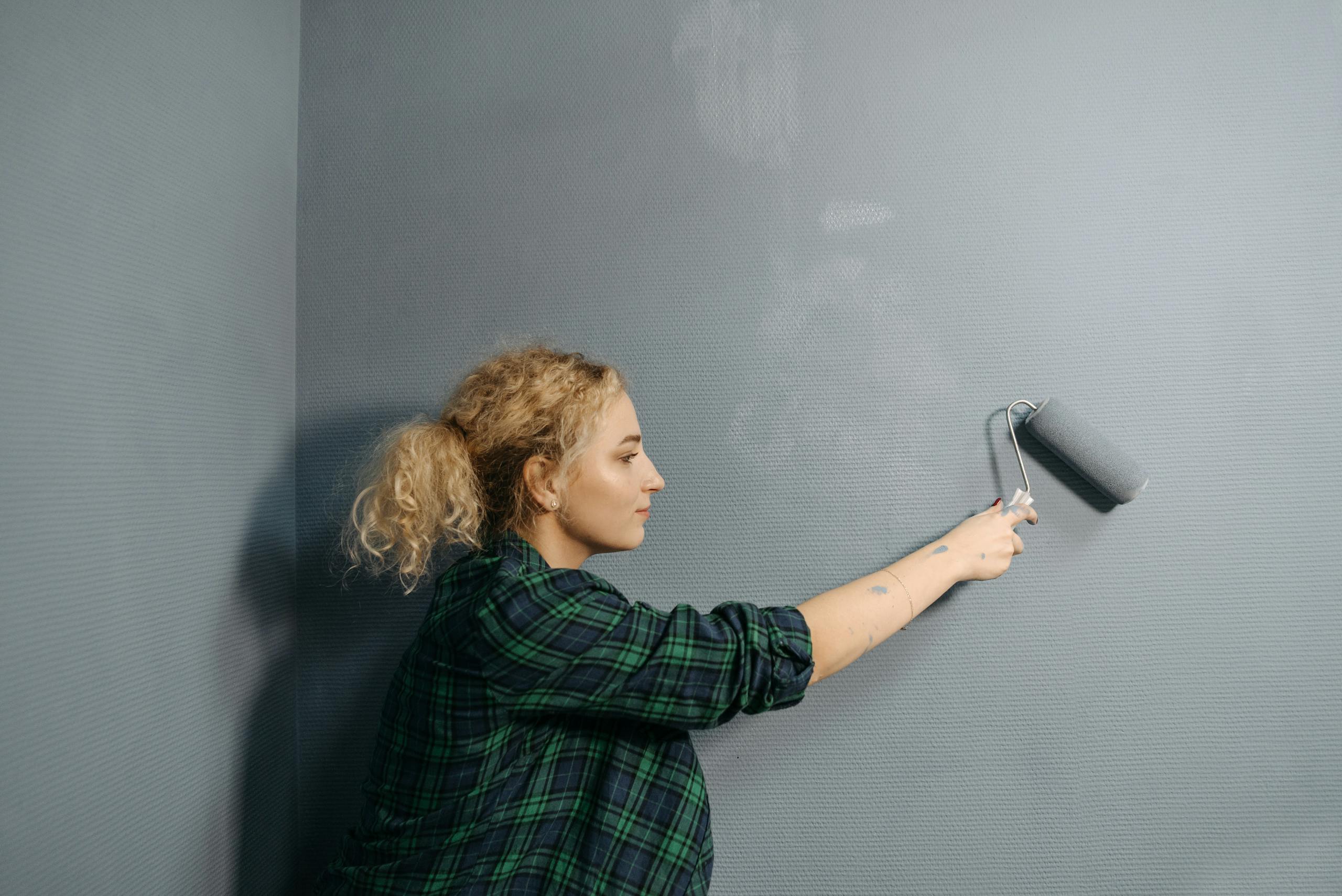
Before any primer or paint touches a surface, it must be impeccably clean and smooth. This involves a thorough washing to remove accumulated dirt, grease, and grime. For kitchens and bathrooms, I often use a mild detergent solution to cut through stubborn residues. Following cleaning, the meticulous repair of imperfections begins. This includes filling nail holes, patching cracks, and addressing any plaster or drywall damage. Sanding these patched areas until they are perfectly flush with the surrounding surface is paramount. A rough patch, even under several coats of paint, will remain visible, a glaring inconsistency that detracts from the overall finish. I compare this process to a sculptor preparing their clay; every imperfection must be smoothed away to allow the final form to shine.
Priming: The Essential Undercoat
Priming is a non-negotiable step, particularly when there are significant color changes, when painting over previously unpainted surfaces like new drywall, or when attempting to seal stains. Primer serves multiple vital functions: it provides a uniform surface for the topcoat, ensuring consistent color and sheen; it aids in adhesion, making the paint bond more effectively; and it seals porous surfaces, preventing excessive paint absorption which can lead to patchy results. For walls with existing dark colors that are being painted a lighter shade, a tinted primer can significantly reduce the number of topcoats required, saving both time and material. Think of primer as the canvas itself – a well-prepared canvas allows the artist’s colors to truly sing.
Engaging Professional Painting Services
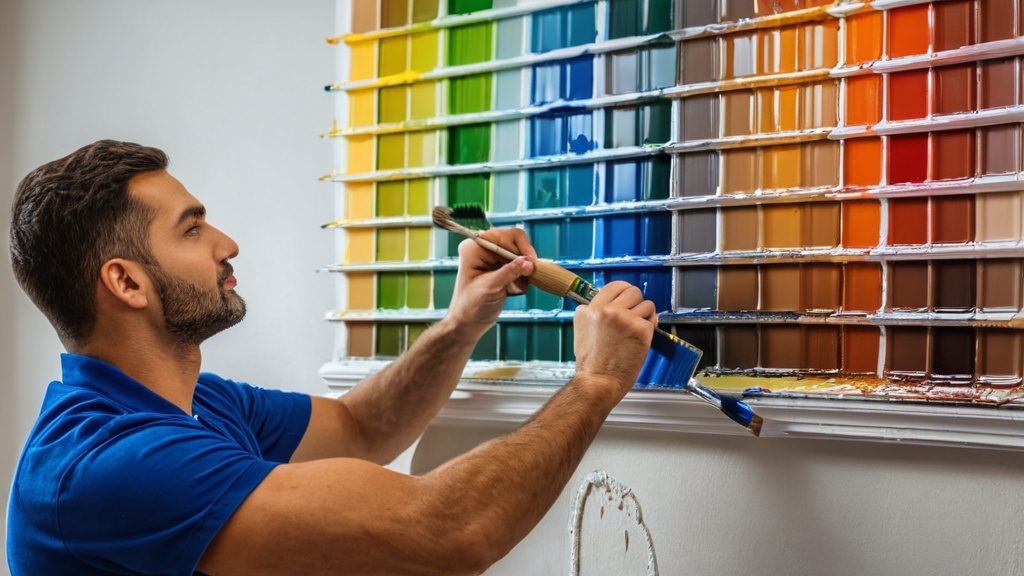
While some homeowners brave the DIY route, a significant number of Vancouver residents recognize the value and efficiency of entrusting their painting projects to seasoned professionals. My goal is to illuminate what constitutes a truly professional service, ensuring you make an informed decision.
What to Look for in a Vancouver Painting Contractor
Selecting the right painting contractor is an investment, and like any investment, it requires due diligence. I always advise homeowners to prioritize several key factors. First, verify their licensing and insurance. This protects both you and the workers in case of accidents or unforeseen issues. Second, request a detailed, written estimate that outlines all aspects of the job: materials, labor, timelines, and specific areas to be painted. A transparent estimate is the hallmark of a reputable company. Third, ask for references and review their portfolio. Testimonials and visual evidence of past work provide invaluable insight into their quality and professionalism. Lastly, rapport matters. You’ll be entrusting your home to these individuals, so feeling comfortable and confident in their communication and approach is essential. A professional contractor functions not just as a painter, but as a project manager, guiding the transformation of your home.
The Professional Painting Process: From Consultation to Completion
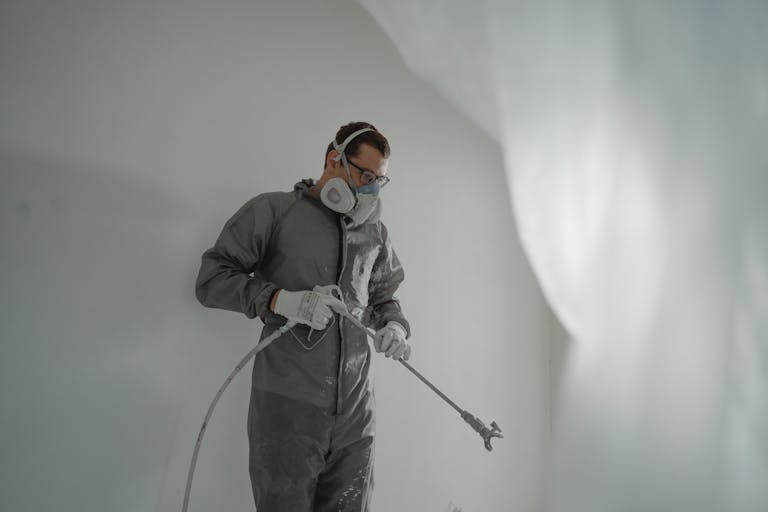
A truly professional painting service follows a structured, methodical approach. It begins with a comprehensive consultation where I or my colleagues assess your needs, discuss color options, and identify any specific challenges or requirements. This is followed by a detailed proposal. Once approved, the preparation phase commences, involving careful masking, protecting furniture, and surface preparation as described above. The application of primer and paint is then executed with precision, often involving multiple coats to achieve optimal coverage and finish. Throughout the process, communication is constant, with regular updates and opportunities for feedback. Finally, upon completion, a thorough cleanup is performed, leaving your home spotless, followed by a final walkthrough to ensure complete satisfaction. This methodical approach ensures that the project remains on schedule, within budget, and achieves the desired high-quality outcome, much like a well-choreographed dance where every step is precise and purposeful.
For Vancouver homeowners looking to enhance their living spaces, expert painting tips can make a significant difference in achieving a professional finish. One related resource that provides valuable insights is an article showcasing a stunning stairs project in West 46th, which highlights the importance of color selection and technique. You can explore this project further by visiting this link, where you’ll find inspiration and practical advice to elevate your home’s aesthetic.
Maintenance and Longevity: Preserving Your Investment
| Service | Description | Average Time to Complete | Recommended Frequency | Key Tips |
|---|---|---|---|---|
| Exterior House Painting | Painting the outer walls to protect against weather and improve curb appeal | 3-7 days | Every 5-7 years | Use weather-resistant paint; prep surfaces thoroughly; paint in dry weather |
| Interior Wall Painting | Refreshing or changing the color of interior walls and ceilings | 1-3 days | Every 3-5 years or as needed | Use primer for better adhesion; choose low-VOC paints for indoor air quality |
| Deck and Fence Staining | Applying stain or sealant to protect wood surfaces from moisture and UV damage | 1-2 days | Every 2-3 years | Clean surfaces before staining; apply evenly; avoid staining in direct sunlight |
| Drywall Repair and Preparation | Fixing holes, cracks, and imperfections before painting | 1-2 days | As needed before painting | Sand smooth; use quality patching compounds; ensure surfaces are dry |
| Color Consultation | Professional advice on selecting paint colors that complement home style and lighting | 1-2 hours | Before painting projects | Consider natural light; test samples on walls; coordinate with home décor |
Once your painting project is complete, the journey doesn’t end. Proper maintenance is crucial to preserving the beauty and integrity of your new paint job, extending its life and protecting your investment. I often equate a freshly painted home to a blooming garden; without continued care, its vibrancy will inevitably diminish.
Post-Painting Care for Interior Surfaces
Interior painted surfaces generally require less intensive maintenance than exteriors, but they still benefit from attentive care. For walls, gentle cleaning with a soft cloth and mild soap and water is usually sufficient for minor marks and scuffs. Avoid harsh chemical cleaners or abrasive sponges, as these can dull the finish or even remove paint. For high-traffic areas, or walls frequently touched by children or pets, I recommend paints with a higher sheen (like satin or semi-gloss) as they are inherently more washable and durable. Keep a small amount of leftover paint for touch-ups. These small acts of maintenance, much like tending to a delicate garment, can significantly extend the lifespan and appearance of your interior paintwork.
Extending the Life of Exterior Paint in Vancouver’s Climate
Exterior paint in Vancouver faces a constant battle against the elements. Regular inspection is key. I advise homeowners to periodically walk around their property, looking for signs of peeling, chipping, or bubbling paint. Address these issues promptly, as small problems can quickly escalate. Mildew growth is a common issue in our damp climate; gentle cleaning with a diluted bleach solution (or a specialized mildew remover) and a soft brush can effectively remove it without damaging the paint. Trimming back foliage that consistently brushes against exterior walls can prevent abrasion and moisture retention, which encourages mildew. Re-caulking around windows and doors every few years also prevents water intrusion, which is a primary cause of paint failure. Investing in high-quality exterior paint initially significantly contributes to its longevity, but ongoing vigilance is the true guardian of its durability, much like a diligent caretaker shielding a precious artifact from the ravages of time.
In conclusion, embarking on a painting project for your Vancouver home is a significant undertaking, whether you choose to manage it yourself or engage professionals. By understanding the specific challenges and nuances of our local environment, making informed choices about paint and color, prioritizing meticulous surface preparation, judiciously selecting professional services, and committing to ongoing maintenance, you can ensure a successful and long-lasting transformation of your living space. My hope is that this comprehensive guide serves as your compass, navigating you towards a beautifully painted home that you will cherish for years to come.
FAQs
What types of painting services are commonly offered to Vancouver homeowners?
Common painting services for Vancouver homeowners include interior and exterior painting, surface preparation, drywall repair, staining, and protective coatings. Many professionals also offer color consultation and custom finishes.
How can I prepare my home for a professional painting service?
To prepare your home, clear the areas to be painted by moving furniture and covering floors. Remove wall hangings and outlet covers, and ensure surfaces are clean and dry. Discuss any specific concerns or preferences with your painter beforehand.
What factors affect the cost of painting services in Vancouver?
Costs depend on the size of the project, type of paint used, surface condition, and complexity of the job. Additional services like repairs or special finishes can also influence pricing. Seasonal demand and contractor experience may impact rates as well.
How long does a typical residential painting project take in Vancouver?
The duration varies based on project size and scope but generally ranges from a few days to two weeks. Exterior projects may take longer due to weather conditions and drying times.
Are there any specific paint types recommended for Vancouver’s climate?
Yes, paints with good moisture resistance and durability are recommended due to Vancouver’s rainy climate. High-quality acrylic latex paints for exteriors and mildew-resistant paints for interiors are commonly advised to ensure longevity and protection.