Fresh Coats, Fresh Looks: Affordable Painting Services in Vancouver
I’ve always been acutely aware of how a fresh coat of paint can fundamentally transform a space. It’s more than just aesthetics; it’s about altering the very atmosphere, the perceived light, and even the emotional response a room evokes. In Vancouver, a city known for its stunning natural beauty and high cost of living, I’ve observed a particular challenge: finding affordable, high-quality painting services that don’t compromise on craftsmanship. My aim with this article is to meticulously outline how one can navigate this landscape, ensuring a revitalized look without breaking the bank.
When I first delved into researching painting services in Vancouver, I encountered a spectrum of offerings. At one end, there were boutique firms promising bespoke color consultations and artisanal finishes, often with price tags to match. At the other, I saw independent contractors, sometimes offering rock-bottom prices but with less transparency regarding their experience or insurance. My goal was to identify the ‘sweet spot’ – services that balanced cost-effectiveness with professional integrity.
The Cost Conundrum: Why Vancouver Prices Differ
I’ve often wondered why a seemingly straightforward service like painting can vary so dramatically in price from one city to another, and even within Vancouver itself. Several factors, I’ve found, act as invisible hands shaping these costs.
- Labor Costs: Vancouver’s robust economy and high cost of living directly translate into higher wages for skilled tradespeople. This is a primary driver of overall project expense.
- Permitting and Regulations: While internal painting rarely requires permits, exterior projects, especially those involving scaffolding or significant structural preparation, can incur regulatory costs that reputable firms factor into their bids.
- Material Quality: The choice between premium, low-VOC (Volatile Organic Compound) paints and more budget-friendly options can significantly impact the final invoice. I’ve learned that a good painter will always discuss these options with me.
- Company Overheads: Established companies often have fixed costs – office space, administrative staff, marketing, and robust insurance – that smaller, independent operators might not. These are reflected in their pricing structure.
Identifying Value: Beyond the Initial Quote
I’ve come to understand that the cheapest quote isn’t always the most economical in the long run. A low price can sometimes be a Trojan horse, concealing compromises in material quality, preparation, or even the painter’s experience. My focus has always been on identifying value, which I define as the optimal balance between quality and cost. This involves a deeper dive than just superficial price comparison.
If you’re considering giving your space a makeover with affordable painting services in Vancouver, you might also find it helpful to explore related home improvement projects. One such project is drywall repair, which can significantly enhance the overall appearance of your walls before a fresh coat of paint is applied. For more information on this topic, check out this article on drywall repair in Vancouver: Drywall Repair on Robson Street.
The Search for Affordability: Strategies and Pitfalls
My journey to uncover affordable painting services in Vancouver has been akin to navigating a labyrinth. It requires a strategic approach, a discerning eye, and a healthy dose of skepticism.
Due Diligence: Vetting Potential Painters
I consider thorough vetting to be the bedrock of a successful and affordable painting project. This is where I meticulously build a profile of each potential candidate.
- Insurance and Licensing: I always verify that any painter I consider is fully insured and, if applicable, holds the necessary business licenses. This isn’t just a formality; it’s a critical safeguard against liability for accidents or damage. Uninsured painters might offer lower rates, but the risk I accept is simply too high.
- References and Portfolios: I treat references as invaluable testimonials. I don’t just ask for them; I actively contact them to gauge their satisfaction, paying close attention to comments about adherence to timelines, cleanliness, and the durability of the work. A portfolio, on the other hand, acts as a visual résumé, demonstrating their range of skills and attention to detail.
- Online Reviews and Reputation: I leverage platforms like Google Reviews, Yelp, and local community forums. While I approach all online reviews with a degree of critical thinking – recognizing that both overly positive and overly negative reviews can be outliers – I look for patterns. Consistent complaints about tardiness, poor communication, or sloppy work are red flags for me. Conversely, recurring praise for professionalism and meticulousness is a strong indicator of reliability.
The Art of the Estimate: What to Look For
Receiving an estimate is not merely about getting a number; it’s about understanding the entire scope of work. I’ve developed a keen eye for what a comprehensive and transparent estimate should include.
- Detailed Scope of Work: I expect a line-by-line breakdown of what the estimate covers: surfaces to be painted, the number of coats, specific primer requirements, and a clear description of any preparation work (e.g., patching, sanding, minor repairs). Vague or overly generalized estimates are a concern.
- Material Specification: The estimate should clearly state the brand and type of paint, primer, and any other materials to be used. This allows me to cross-reference prices and quality, ensuring I’m not inadvertently agreeing to lower-quality products.
- Timeline and Payment Schedule: A professional estimate will outline a realistic project timeline, including start and completion dates. It should also detail the payment structure, often involving an initial deposit, progress payments, and a final payment upon satisfactory completion. I’m wary of requests for large upfront payments.
- Warranty and Guarantees: A reputable painter will offer a warranty on their work, covering defects in craftsmanship for a specified period. This demonstrates their confidence in their labor and provides me with recourse should issues arise.
Negotiating for Value: My Approach
I understand that negotiation is a delicate dance, but it’s a crucial step in ensuring affordability without compromising quality. I approach it with respect and an informed perspective.
- Multiple Quotes: I never settle for a single quote. Obtaining at least three detailed estimates provides me with a benchmark and leverage for negotiation. It allows me to identify outliers and understand the prevailing market rates.
- Clarity on Expectations: Before negotiating, I ensure both parties are absolutely clear on all expectations. Misunderstandings about the scope of work or material choices can lead to disputes later.
- Flexibility and Compromise: I’m open to discussing aspects where a small compromise on my part might lead to savings. For instance, sometimes scheduling flexibility can result in a better rate for the painter, and consequently, for me.
- Understanding the ‘Why’: If one quote is significantly lower than others, I don’t immediately jump on it. Instead, I ask the painter to explain why their price is lower. It might be due to lower overhead, bulk discounts on materials, or a desire to fill a schedule gap, which are all legitimate reasons. However, it could also signal cutting corners.
Maximizing Your Budget: Smart Choices and DIY Contributions
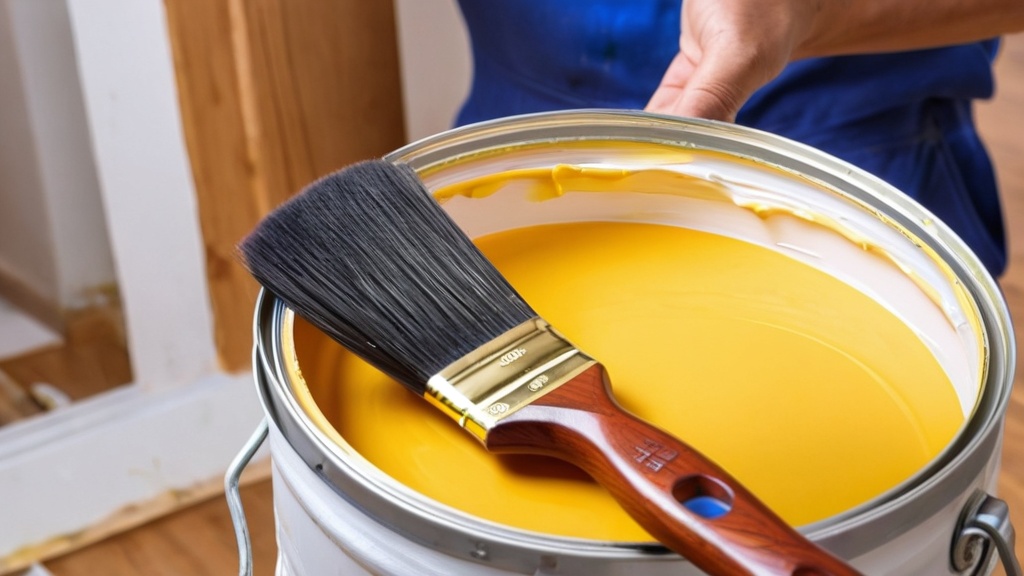
I’ve learned that a significant portion of a painting project’s cost lies in labor. By understanding this, I can strategically contribute to the project, thereby reducing the overall expense without sacrificing professional results.
The Power of Preparation: My Role in Cost Savings
Preparation is the unsung hero of any good paint job. It’s also the most labor-intensive and, therefore, costly part. This is where I can actively participate.
- Clearing the Space: Before the painters arrive, I meticulously move furniture, remove wall hangings, and clear out the room. This simple act saves the painters valuable time, which translates directly to reduced labor costs.
- Minor Wall Repairs: For small nail holes, minor scuffs, or barely perceptible cracks, I’m comfortable doing the spackling and light sanding myself. However, I’m careful to know my limits; larger repairs or structural issues are best left to professionals. My aim is to set a perfectly primed canvas for them.
- Cleaning the Surfaces: Ensuring that walls are clean and free of dust, grease, or mildew is crucial for paint adhesion. I perform this task diligently, knowing it prevents potential paint failures down the line. It’s a small act with a significant impact on longevity.
- Protecting Non-Painted Areas: While painters will typically cover floors and furniture, I often take the initiative to lay down drop cloths and apply painter’s tape to areas I’m confident in taping correctly. This further reduces their preparation time.
Strategic Material Selection: Where to Invest and Where to Save
I’ve come to view paint selection not just as a choice of color, but as an investment strategy. There are areas where I advocate for premium, and others where I’m comfortable with more economical choices.
- High-Traffic Areas (Premium Paint): For hallways, kitchens, bathrooms, and children’s rooms – areas that endure significant wear and tear – I always recommend investing in high-quality, durable, washable paints. These paints, though initially more expensive, offer superior longevity and ease of maintenance, making them more cost-effective over time. They are the ‘workhorses’ of the interior.
- Low-Traffic Areas (Mid-Range Paint): For guest bedrooms, formal dining rooms, or other spaces with less frequent use, a good quality mid-range paint often suffices. These still offer excellent coverage and finish without the added cost of extreme durability.
- Primers: The Foundation: I never skimp on primer. A high-quality primer ensures better adhesion, hides existing stains, and provides a uniform surface for the topcoat, often requiring fewer coats of the more expensive finish paint. It’s the invisible backbone of a lasting paint job.
- Tools and Supplies (Painter’s Domain): While I might purchase some basic supplies for my DIY contributions, I generally leave the selection of brushes, rollers, and specialized equipment to the professional painter. They have preferred tools that optimize efficiency and finish quality.
Considering Off-Season Painting: Timing is Everything
I’ve observed that the demand for painters in Vancouver fluctuates with the seasons. This understanding allows me to tactically schedule projects.
- Winter Months: The cooler, wetter months (typically November to March) usually see a dip in demand for exterior painting. This can present opportunities for better rates on interior projects, as painters seek to fill their schedules.
- Early Spring/Late Fall: These shoulder seasons can also offer a sweet spot. The rush of summer has subsided, or the busy season hasn’t fully begun, potentially leading to more competitive pricing. I’m always mindful of finding that window of opportunity.
Beyond the Brush: Maintaining Your Fresh Look
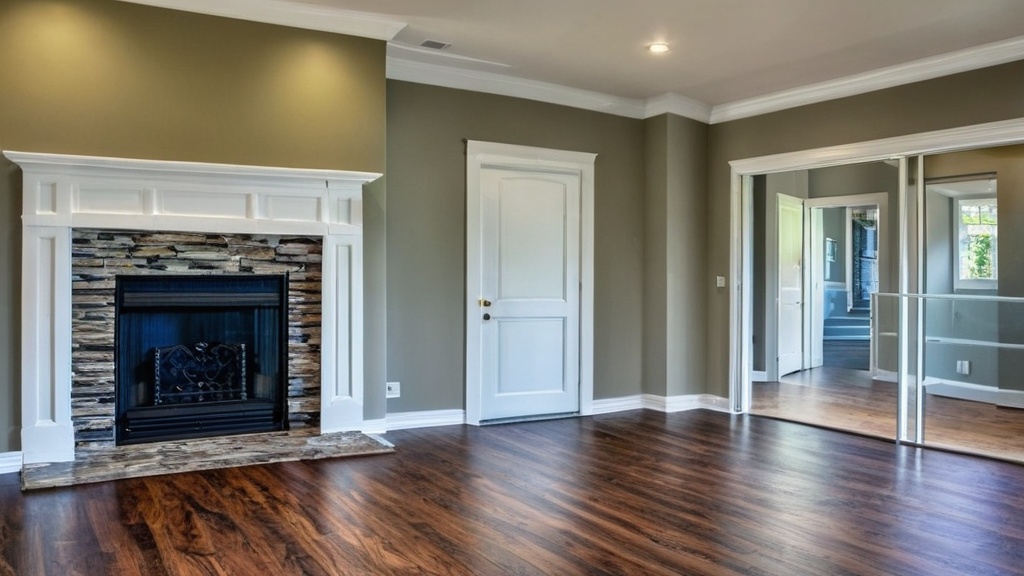
My commitment to an affordable, quality paint job doesn’t end when the final brushstroke is applied. I believe in proactive maintenance to extend the life of the paint and, consequently, the perceived value of the initial investment.
Regular Cleaning and Touch-Ups: Small Efforts, Big Impact
Just like I maintain my car or garden, I extend the same care to my painted surfaces.
- Gentle Cleaning: I establish a routine of gently wiping down walls in high-traffic areas with a soft cloth and mild, non-abrasive cleaner. This prevents dirt and grime from building up and becoming ingrained, which can prematurely age the paint.
- Saving Leftover Paint: I always ask my painter to leave me with small, labeled cans of leftover paint from each color used. These are invaluable for addressing minor scuffs or chips that inevitably occur. This strategy prevents the need for repainting an entire section due to a small blemish.
- Addressing Issues Promptly: I’ve learned that ignoring a small water stain or chip can lead to a larger, more costly problem down the line. Prompt attention to localized issues prevents them from escalating into widespread damage that requires professional intervention. It’s about nipping problems in the bud.
Understanding Environmental Factors: Vancouver’s Unique Challenges
Vancouver’s climate, with its characteristic dampness and temperate rainforest environment, presents unique challenges that influence paint longevity. I factor these into my maintenance strategy.
- Moisture Management: High humidity can contribute to mold and mildew growth, especially in bathrooms and kitchens. I ensure adequate ventilation in these areas to mitigate moisture buildup, thereby protecting the paint finish.
- Sun Exposure: While not as intense as in sunnier climes, Vancouver still experiences periods of strong UV exposure, which can cause paint to fade over time, particularly on exterior surfaces. Regular cleaning and, for exteriors, periodic re-sealing or re-staining in specific areas can help.
- Air Quality: Proximity to traffic or industrial areas can lead to particulate matter settling on exterior surfaces. Regular, gentle washing of exterior walls is advisable to remove these pollutants and maintain the paint’s vibrancy.
If you’re considering giving your home a makeover, you might find inspiration in the article about home renovations at Markoni Renovations. Their insights on affordable and effective ways to enhance your living space complement the services offered by Fresh Coats, Fresh Looks, which specializes in budget-friendly painting solutions in Vancouver. Exploring both resources can provide you with a comprehensive approach to transforming your home into a vibrant and inviting environment.
Concluding Thoughts: My Approach to Affordable Transformation
| Service | Average Cost | Duration | Customer Rating | Service Area |
|---|---|---|---|---|
| Interior Wall Painting | 150 – 400 | 1-3 days | 4.5/5 | Vancouver Metro |
| Exterior House Painting | 800 – 2500 | 3-7 days | 4.7/5 | Vancouver & Surrounding Areas |
| Cabinet Refinishing | 300 – 700 | 2-4 days | 4.6/5 | Vancouver Metro |
| Fence Painting | 200 – 600 | 1-2 days | 4.4/5 | Vancouver & Nearby Suburbs |
| Commercial Painting | 1500 – 5000 | 5-10 days | 4.3/5 | Greater Vancouver Area |
My philosophy when it comes to painting in Vancouver is one of pragmatic optimism. I believe that a stunning, transformative paint job doesn’t have to be a luxury reserved for the affluent. It requires diligent research, clear communication, a willingness to contribute where appropriate, and an understanding of the local market dynamics.
I envision the paint on my walls as a carefully constructed shell, protecting and defining the inner sanctuary of my home. By meticulously selecting the right painter, understanding the nuances of pricing, and actively participating in the preparation and maintenance, I am not just saving money; I am investing wisely in the emotional and tangible value of my living space. The satisfaction I derive from a freshly painted room, knowing it was achieved through a diligent and informed process, is immeasurable. It’s about creating an affordable oasis, one thoughtfully applied coat at a time, within the vibrant, yet often expensive, tapestry of Vancouver. My goal is always to achieve that fresh, new look without the financial strain, turning a potentially daunting task into a rewarding endeavor.
FAQs
What types of painting services are typically offered in Vancouver?
Affordable painting services in Vancouver usually include interior and exterior painting, drywall repair, surface preparation, staining, and sometimes wallpaper removal or application.
How much do affordable painting services in Vancouver generally cost?
Costs vary depending on the size and scope of the project, but affordable painting services in Vancouver typically range from $1.50 to $4.00 per square foot for interior painting. Exterior painting may cost more due to additional preparation and materials.
Are the painting contractors in Vancouver licensed and insured?
Reputable painting contractors in Vancouver are usually licensed and insured to protect both the workers and the property owners. It is advisable to verify credentials before hiring.
How long does a typical painting project take in Vancouver?
The duration depends on the size and complexity of the job. Small interior rooms may take 1-3 days, while larger exterior projects can take a week or more, factoring in drying times and weather conditions.
What should I do to prepare my home before the painters arrive?
Homeowners should clear the areas to be painted by moving furniture, removing wall hangings, and covering floors if necessary. It’s also helpful to communicate any specific concerns or preferences with the painting service beforehand.