Modern Bathroom Makeovers: Vancouver’s Best Renovation Tips and Tricks
Modern bathroom makeovers in Vancouver present a unique set of challenges and opportunities, given the city’s distinct architectural styles, climate considerations, and prevailing design aesthetics. As a homeowner embarking on such a project, I find myself navigating a landscape where functionality meets sophisticated design, and sustainability often plays a significant role. This article outlines key considerations and practical advice for undertaking a bathroom renovation in this vibrant West Coast metropolis.
Vancouver’s architectural identity is not monolithic; it’s a rich tapestry woven from various eras and influences. From the Victorian and Edwardian homes in Kitsilano and Shaughnessy to the mid-century modern residences in West Vancouver and the contemporary high-rises downtown, each structure tells a story. My approach to a bathroom makeover must respect and, ideally, enhance this existing narrative.
Respecting Heritage and Character
When dealing with older homes, my primary aim is to integrate modern amenities without obliterating the original character. This often means a delicate dance between preservation and innovation. For instance, in a Craftsman-style home, I might opt for subway tiles with a slightly aged finish and fixtures that subtly nod to the past, while still incorporating a curbless shower and smart lighting. The goal isn’t historical recreation, but respectful evolution.
Embracing Contemporary Minimalism
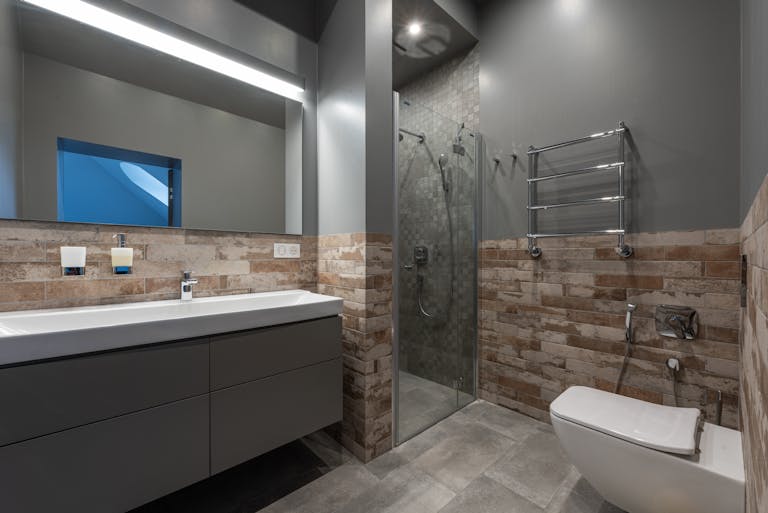
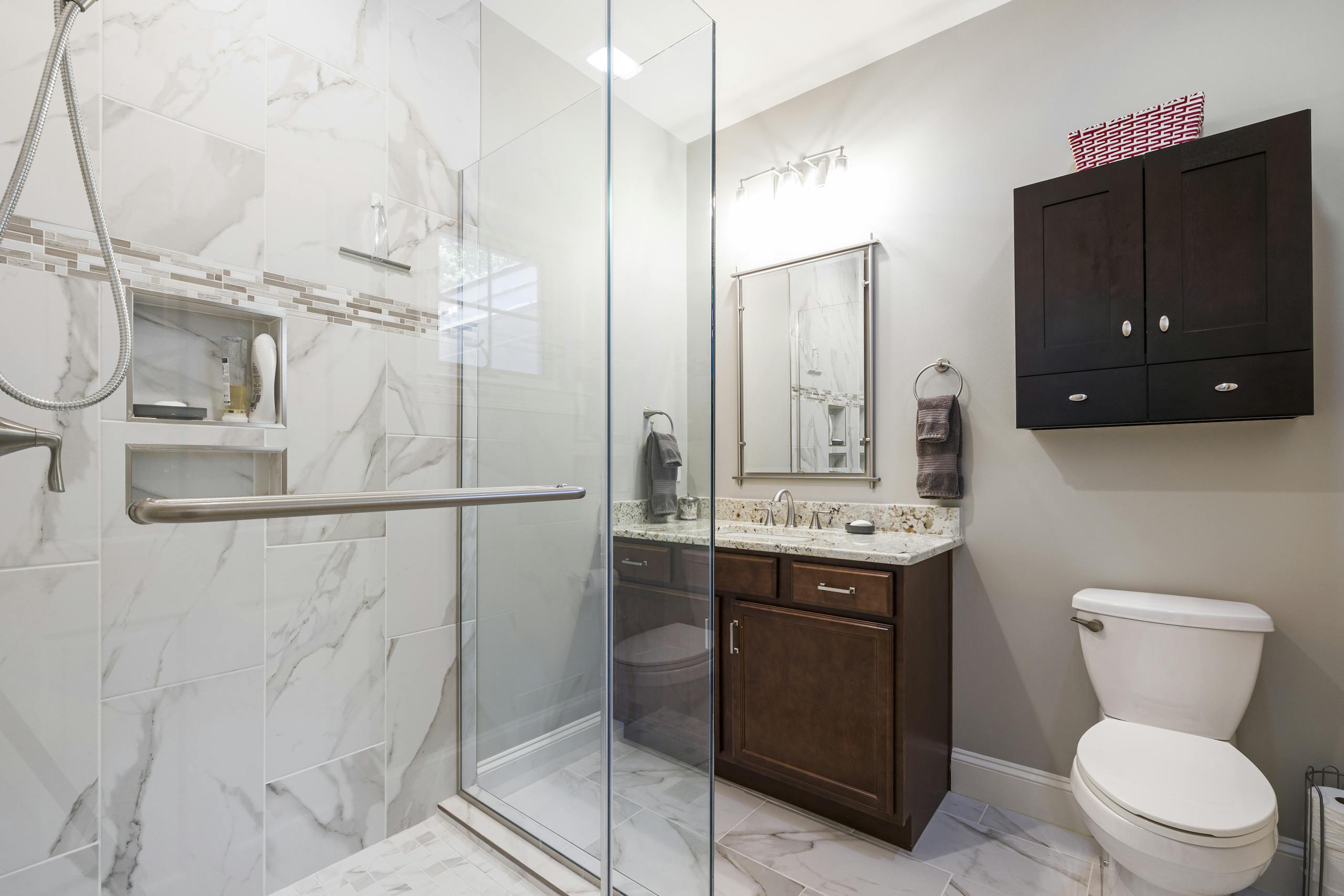
Conversely, for a modern condominium, my design philosophy tends towards sleek lines, integrated storage, and a less-is-more aesthetic. Here, the challenge lies in achieving warmth and personality within a minimalist framework. I often achieve this through material choices—textured tiles, natural wood accents, or unique lighting fixtures—that add depth without clutter.
Adapting to Coastal Lifestyles
Vancouverites often embrace an active, outdoor lifestyle. This influences my material selections, favoring durable, easy-to-clean surfaces. For example, large-format porcelain tiles are a practical choice for floors, as they withstand high traffic and resist moisture effectively. The bathroom becomes a sanctuary, a place to refresh and rejuvenate after a day spent exploring the mountains or the ocean, and its design should reflect this functional imperative.
For those looking to enhance their bathroom renovation experience, a related article titled “Eco-Friendly Bathroom Remodel: Transform Your Space with 5 Upgrades You’ll Love” offers valuable insights into sustainable design choices. This article complements the tips and tricks found in “Modern Bathroom Makeovers: Vancouver’s Best Renovation Tips and Tricks” by providing eco-conscious alternatives that not only beautify your space but also promote environmental responsibility. To explore these innovative upgrades, you can read the full article here.
Navigating Vancouver’s Climate and Its Influence on Material Selection
Vancouver’s temperate rainforest climate directly impacts the longevity and performance of bathroom materials. High humidity and the occasional damp chill necessitate careful consideration of moisture-resistant options. This is not merely an aesthetic choice; it is a structural one.
Mitigating Moisture with Strategic Material Choices
Mold and mildew are perennial concerns in a humid environment. Therefore, I prioritize materials with low porosity. While natural stone can be beautiful, I exercise caution with highly porous types like unsealed marble, opting instead for denser granite, quartz, or porcelain alternatives. I also ensure that all grout lines are properly sealed and that walls are finished with moisture-resistant paint.
The Role of Ventilation in a Damp Climate
Beyond material selection, robust ventilation is paramount. I always advocate for high-quality exhaust fans with appropriate CFM (cubic feet per minute) ratings for the size of the bathroom. Often, I will recommend a fan with a built-in humidity sensor, allowing it to operate automatically when moisture levels rise. This acts as the lungs of the bathroom, expelling damp air before it can settle and cause problems.
Considering Thermal Comfort
The Vancouver climate also brings cooler temperatures for much of the year. Underfloor heating, while an additional investment, dramatically enhances comfort in a bathroom. It transforms what can be a cold, hard surface into a warm, inviting one. I find that clients rarely regret this particular upgrade, as it dramatically improves the user experience during colder months.
Optimizing Space in Vancouver’s Diverse Housing Stock
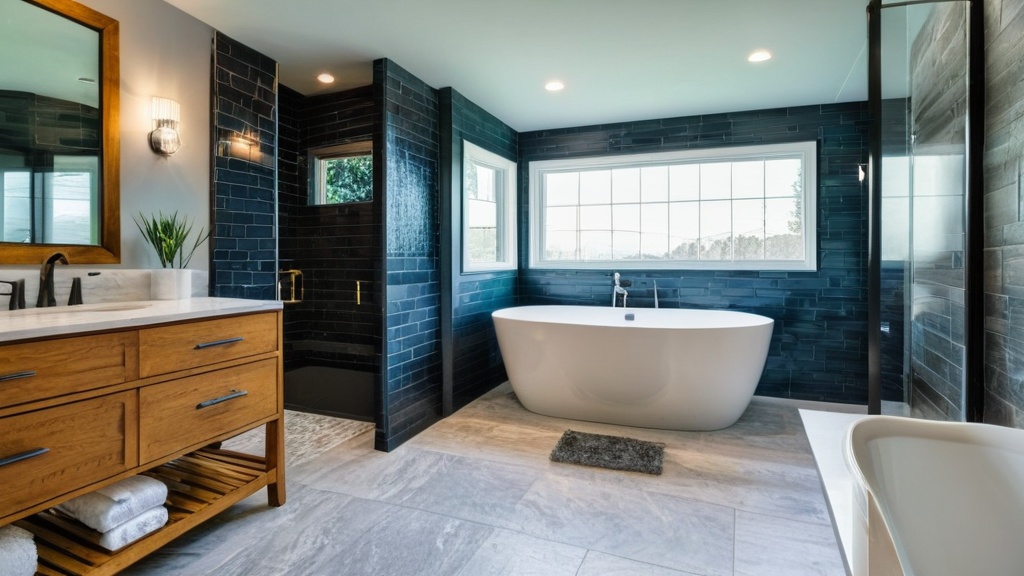
Space is a precious commodity in Vancouver, whether I’m working with a compact apartment bathroom or a more expansive en-suite in a detached home. My goal is to make every square inch work harder, creating a sense of openness and maximizing functionality.
Innovative Storage Solutions for Compact Bathrooms
In smaller bathrooms, my focus shifts to vertical storage and integrated solutions. Floating vanities create an illusion of space by revealing more floor area. Recessed medicine cabinets, built-in shelving within shower niches, and clever cabinet organizational systems become essential tools in my design arsenal. Think of it as a spatial puzzle, where every piece has a designated and efficient place.
Maximizing Natural Light and Reflection
Natural light is a powerful, yet often undervalued, design element. I aim to maximize it wherever possible. Over-sized mirrors not only serve a utilitarian purpose but also bounce light around, making a small room feel larger. Strategically placed light-coloured tiles further enhance this effect, preventing the room from feeling like a cave.
Open-Concept Shower Designs
Where feasible, a curbless, walk-in shower design can significantly open up a bathroom. By removing the physical barrier of a curb, the floor space appears continuous, making the entire room feel more expansive. This is particularly effective in smaller layouts, blurring the lines that traditionally define separate zones.
Embracing Sustainable and Eco-Friendly Practices
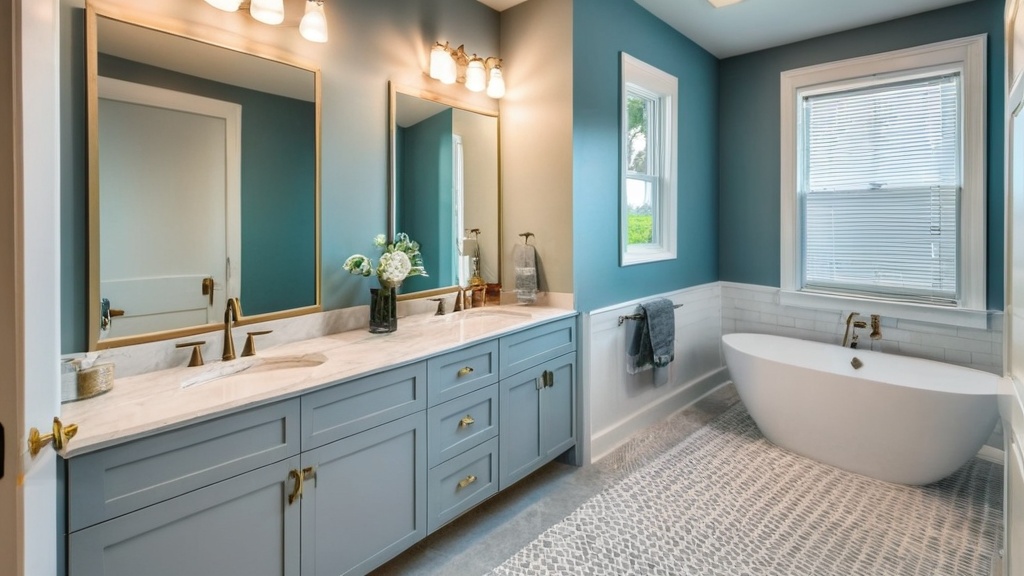
Vancouver has a strong environmental ethos, and this invariably influences my approach to bathroom renovations. Sustainable choices are not just about compliance; they are about responsible design and long-term value.
Water-Saving Fixtures and Appliances
Water conservation is a cornerstone of sustainable design in Vancouver. I routinely recommend low-flow toilets, showerheads, and faucets. These fixtures often meet the WaterSense® certification criteria, guaranteeing a reduction in water consumption without sacrificing performance. It’s a pragmatic step that benefits both the environment and the homeowner’s utility bills.
Utilizing Recycled and Locally Sourced Materials
Wherever possible, I look to incorporate recycled materials, such as reclaimed wood for vanities or tiles made from recycled glass. Furthermore, sourcing materials locally reduces transportation costs and carbon footprint. Vancouver boasts numerous suppliers offering high-quality, sustainably produced tiles, cabinetry, and fixtures, allowing me to build a truly ‘green’ bathroom.
Energy-Efficient Lighting Solutions
LED lighting is now the industry standard for efficiency and longevity. I use dimmable LED fixtures for task lighting, ambient light, and accent lighting. They consume significantly less energy than incandescent bulbs and have a much longer lifespan, reducing maintenance and waste. This is not just a trend; it’s a fundamental shift in how we illuminate our spaces.
For those looking to enhance their bathroom spaces, exploring innovative ideas can be incredibly beneficial. A great resource to consider is the article on custom-built renovations, which showcases unique designs and practical solutions for modern bathrooms. You can find inspiration and valuable insights by visiting this link. Whether you’re planning a complete overhaul or just a few updates, the tips provided can help you achieve a stunning transformation in your home.
The Renovation Process: A Step-by-Step Guide for Vancouver Homeowners
| Metric | Details | Average Cost | Timeframe | Popular Materials | Tips & Tricks |
|---|---|---|---|---|---|
| Full Bathroom Renovation | Complete overhaul including fixtures, tiles, and plumbing | 15,000 – 30,000 | 3 – 6 weeks | Porcelain tiles, Quartz countertops, Frameless glass | Plan layout carefully, hire licensed contractors |
| Vanity Upgrade | Replacing vanity and sink with modern designs | 1,500 – 4,000 | 1 – 3 days | Solid wood, Marble, Ceramic sinks | Choose moisture-resistant materials, maximize storage |
| Shower Remodel | Installing walk-in showers or new shower enclosures | 3,000 – 7,000 | 1 – 2 weeks | Glass panels, Subway tiles, Stainless steel fixtures | Use slip-resistant flooring, consider rainfall showerheads |
| Lighting Improvements | Adding LED lighting, vanity lights, and ambient lighting | 500 – 2,000 | 1 – 3 days | LED strips, Recessed lights, Dimmable fixtures | Layer lighting for functionality and ambiance |
| Eco-Friendly Upgrades | Water-saving fixtures and sustainable materials | 1,000 – 5,000 | 1 – 2 weeks | Low-flow toilets, Bamboo flooring, Recycled glass tiles | Focus on water efficiency and sustainable sourcing |
Undertaking a bathroom renovation is a significant project. I approach it methodically, breaking it down into manageable phases to ensure a smooth and successful outcome. This systematic approach is the bedrock of any successful renovation.
Phase 1: Planning and Design
The initial planning phase is perhaps the most critical. This is where I meticulously define the scope of work, establish a realistic budget, and solidify a design concept. This involves consultations with designers, architects (if structural changes are contemplated), and, crucially, a reputable contractor. I gather inspiration, review material samples, and develop detailed drawings. This phase is about setting a clear navigational course before the journey begins.
Phase 2: Permitting and Regulatory Compliance
Vancouver has stringent building codes and permitting requirements. My responsibility is to ensure that all necessary permits are obtained before any construction begins. This often involves submitting detailed plans to the city for approval. Skipping this step can lead to significant delays, fines, and even the demolition of non-compliant work. Compliance isn’t a suggestion; it’s a mandate.
Phase 3: Demolition and Rough-In
Once permits are in hand, the demolition phase begins. This is where the old bathroom is stripped down to its bones. Following demolition, the rough-in phase commences, involving the installation or relocation of plumbing, electrical, and ventilation systems. This stage is akin to laying the foundation of a building; it needs to be precise and robust to support everything that follows.
Phase 4: Installation of Finishes
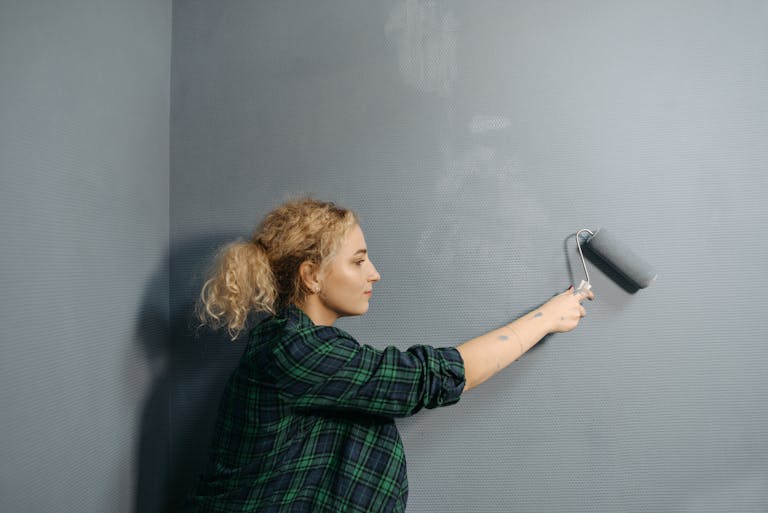
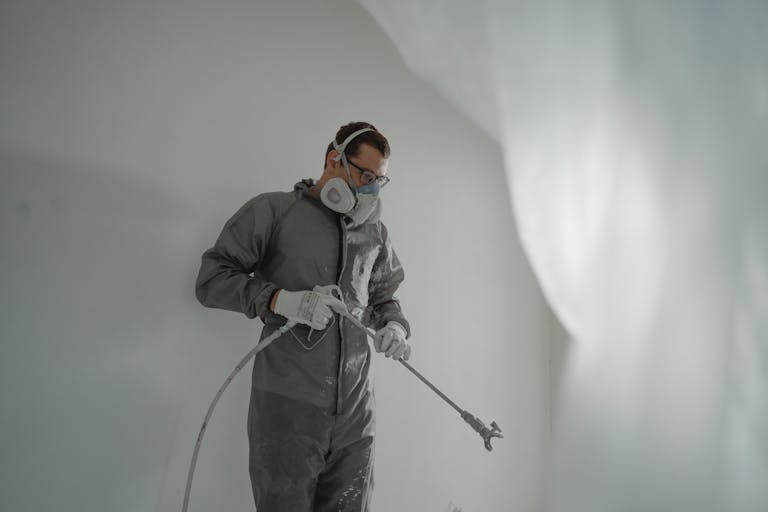
This is the phase where the bathroom begins to take its final form. Tiles are laid, waterproofing is applied, custom cabinetry is installed, and painting is completed. I oversee this stage with particular attention to detail, as the quality of the finish work directly impacts the aesthetic and longevity of the renovation.
Phase 5: Fixture Installation and Final Touches
The final stage involves installing the vanity, toilet, shower enclosure, lighting fixtures, and all accessories. This is where the last brushstrokes are applied, and the bathroom truly comes to life. A thorough final inspection is conducted to ensure everything is in perfect working order and meets the highest standards. The journey ends with a beautifully functional space.
In conclusion, embarking on a modern bathroom makeover in Vancouver is a multifaceted endeavour. It requires a blend of aesthetic vision, practical considerations, and a deep understanding of local conditions. By meticulously planning, selecting appropriate materials, optimizing space, embracing sustainability, and adhering to a structured renovation process, I am confident in creating a bathroom that is not only beautiful but also a lasting testament to thoughtful design.
FAQs
What are some popular trends in modern bathroom makeovers in Vancouver?
Popular trends include sleek, minimalist designs, the use of natural materials like stone and wood, energy-efficient fixtures, and smart technology integration such as digital showers and automated lighting.
How can I find reliable contractors for bathroom renovations in Vancouver?
To find reliable contractors, check online reviews, ask for recommendations from friends or family, verify licenses and insurance, and request detailed quotes and portfolios of previous work.
What is the average cost of a bathroom renovation in Vancouver?
The average cost varies widely depending on the scope, but a typical bathroom makeover in Vancouver can range from $10,000 to $30,000 or more, depending on materials, labor, and design complexity.
Are there any specific building codes or permits required for bathroom renovations in Vancouver?
Yes, bathroom renovations often require permits, especially if plumbing or electrical systems are altered. It is important to comply with the City of Vancouver’s building codes and obtain necessary permits before starting work.
What are some tips for maximizing space in a small Vancouver bathroom?
Maximizing space can be achieved by using wall-mounted fixtures, installing large mirrors, choosing light colors, incorporating built-in storage, and opting for compact or multi-functional furniture and fittings.