Transform Your Vancouver Bathroom: Top Renovation Ideas for 2026
I am undertaking a deep dive into the anticipated trends and practical considerations for Vancouver bathroom renovations in 2026. My aim is to provide a comprehensive, fact-based guide, offering insights into what I believe will be the most impactful and sought-after updates for homeowners in this distinct market. As I navigate these ideas, I am mindful of Vancouver’s unique architectural landscape, its often-compact living spaces, and the prevailing design philosophies that emphasize both aesthetics and functionality.
I observe Vancouver’s housing market as a dynamic entity, characterized by escalating property values and a concurrent desire among homeowners to optimize their existing spaces. Bathroom renovations, in this context, are not merely aesthetic upgrades; they represent strategic investments designed to enhance comfort, improve functionality, and contribute to the overall value of a property. The typical Vancouver dwelling, whether a heritage home in Kitsilano or a modern condo in Yaletown, presents its own set of challenges and opportunities for renovation. My analysis suggests that 2026 will see a continuation, and perhaps an acceleration, of several key trends. These trends are not isolated phenomena but rather interconnected threads in the fabric of modern living, reflecting broader societal shifts towards sustainability, technological integration, and personal wellness.
Economic Considerations and Investment Returns
I always advise clients to consider the economic implications of any renovation. In Vancouver, the return on investment (ROI) for a well-executed bathroom renovation is generally substantial. Factors influencing ROI include the quality of materials, the professionalism of the contractor, and the alignment of the renovation with current market expectations. I have seen instances where a thoughtfully designed and meticulously installed bathroom has significantly outperformed other home improvements in terms of resale value. This is particularly relevant in a competitive market where discerning buyers often prioritize move-in ready properties with updated amenities. My research indicates that a mid-range bathroom renovation in Vancouver typically recoups approximately 60-70% of its cost upon resale, while high-end renovations can sometimes exceed this. However, I caution against over-capitalizing, especially in older, smaller homes where the cost of a luxury bathroom might not be fully recouped.
Regulatory Framework and Permitting Processes
I understand that navigating Vancouver’s municipal regulations can be a labyrinthine experience for many homeowners. Any significant bathroom renovation, particularly those involving structural changes, alterations to plumbing or electrical systems, or changes to the building envelope, necessitates a permit. My experience tells me that failure to obtain necessary permits can lead to costly delays, fines, and even the eventual removal of non-compliant work. Therefore, I always emphasize early engagement with the City of Vancouver’s permitting department or a knowledgeable contractor who can manage this process. The permitting process is not a mere bureaucratic hurdle; it is a critical safeguard ensuring that renovations meet safety codes and contribute positively to the built environment. I have observed a growing emphasis on watertight construction and proper ventilation within these regulations, reflecting a proactive approach to preventing common issues like mold and mildew in humid bathroom environments.
If you’re considering a bathroom renovation in Vancouver, you might find inspiration in the article “Transform Your Vancouver Bathroom: Top Renovation Ideas for 2026.” This piece offers a variety of innovative ideas to enhance your space, making it both functional and stylish. Additionally, for those facing urgent repair needs, you can explore emergency renovation services that can help address unexpected issues in your home. To learn more about these services, visit this link.
Spatial Optimization: Maximizing Every Square Inch
My focus for Vancouver bathrooms in 2026 heavily gravitates towards spatial optimization. Given the prevalence of smaller living spaces in the city, the ability to make a bathroom feel larger, function more efficiently, and store necessities discreetly is paramount. I view the bathroom as a miniature ecosystem, where every element must contribute to the overall balance and harmony.
Smart Storage Solutions
I envision a future where bathroom storage transcends simple cabinets. Integrated, custom-built solutions will become the standard. My observations suggest a move towards recessed shelving, hidden compartments within walls, and intelligent drawer organizers that eliminate clutter. I advocate for vertical storage as a primary strategy, utilizing the full height of the room with tall, narrow units that don’t impinge on floor space. Think of medicine cabinets that extend beyond the mirror, or built-in nooks within shower walls. I also anticipate increased demand for custom vanity designs that incorporate specialized compartments for specific items, such as hair styling tools or personal care products, rather than generic open shelving. This approach transforms chaotic clutter into a visually clean and functional space, much like a well-organized library where every book has its designated place.
The Illusion of Expansiveness: Design Psychology
I find that psychological principles play a significant role in making a small space feel larger. My recommendations often include using large-format tiles with minimal grout lines, which reduce visual interruptions and create a seamless aesthetic. Furthermore, I champion the pervasive use of light colors – whites, creams, and pale grays – on walls and fixtures, as these hues reflect light and expand the perceived boundaries of the room. Mirrors, for me, are not just reflective surfaces; they are architectural tools. A large, frameless mirror extending across an entire wall can act as a window to a larger, imagined space. I also suggest strategically placed task lighting and ambient lighting to eliminate dark corners, which can contract the perceived size of a room. This use of light is akin to an artist using perspective to create depth on a two-dimensional canvas.
Streamlined Fixtures and Floating Elements
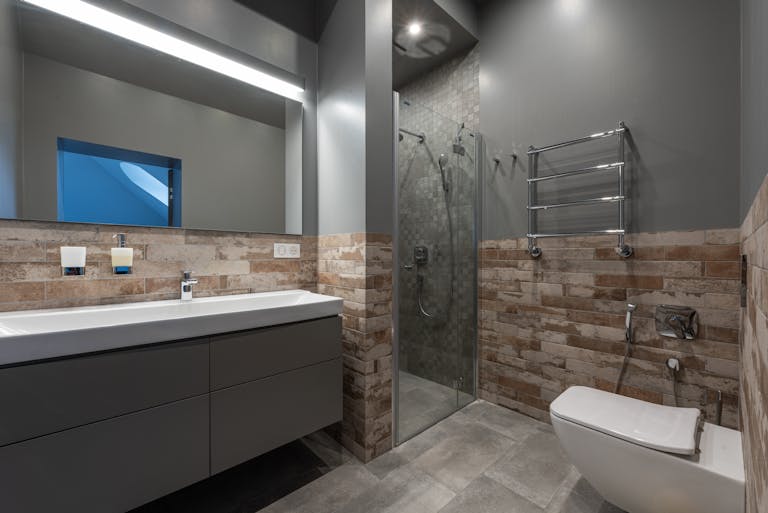
My design philosophy for compact bathrooms embraces minimalism. Floating vanities and wall-mounted toilets are not merely stylistic choices; they are functional decisions. By elevating these elements, I create uninterrupted floor space, which tricks the eye into perceiving a larger area. The absence of legs or pedestals not only simplifies cleaning but also visually lightens the entire room, making it feel less congested. I also advocate for sleek, wall-mounted faucets and shower controls that reduce visual clutter on countertops and in the shower stall. These elements, when carefully chosen, coalesce to form a cohesive and uncluttered aesthetic, much like a minimalist sculpture where only essential forms are present.
Sustainable Sanctuary: Eco-Conscious Choices
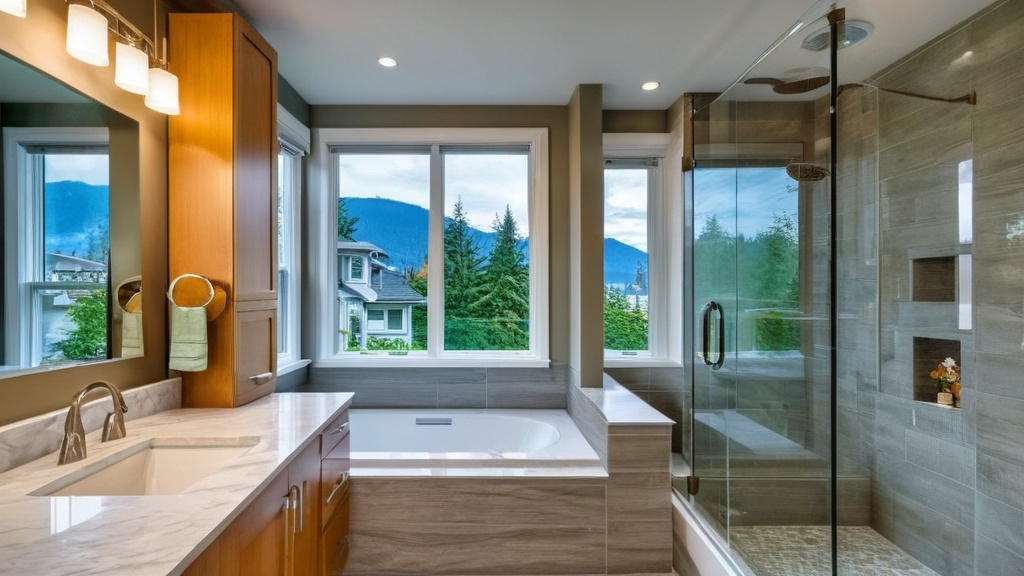
My commitment to sustainability is unwavering, and I believe this ethos will deeply permeate Vancouver bathroom renovations in 2026. The concept of a “sustainable sanctuary” extends beyond mere aesthetics; it embraces environmental responsibility and long-term cost savings. I view this as an ethical obligation within the design process.
Water-Saving Technologies
I advocate strenuously for the integration of water-saving fixtures. Low-flow toilets, often consuming as little as 1.28 gallons per flush (GPF), are now highly efficient and stylish. Similarly, I endorse low-flow showerheads and faucets that significantly reduce water consumption without compromising water pressure or user experience. I consider smart water monitoring systems, which track water usage and detect leaks, as increasingly vital. These technologies are not just about compliance with local regulations; they are about fostering a culture of conservation. In a city like Vancouver, where water resources are plentiful but not infinite, every drop saved is a cumulative victory. Think of these fixtures as silent partners in environmental stewardship.
Energy-Efficient Lighting and Ventilation
I emphasize the critical role of LED lighting in modern bathroom design. LEDs are not only energy-efficient, consuming significantly less electricity than traditional incandescent bulbs, but they also offer a longer lifespan and a wider range of color temperatures, allowing for greater customization of ambiance. Furthermore, I prioritize energy-efficient ventilation systems, particularly those with humidity sensors. Proper ventilation is paramount in preventing mold and mildew growth, especially in Vancouver’s often-damp climate. An effective ventilation system acts as the lungs of the bathroom, ensuring fresh air circulation and maintaining optimal humidity levels. I also investigate the potential for passive ventilation strategies where architectural conditions allow, reducing reliance on mechanical systems.
Sustainable Material Selection
My material selection process is informed by a strict adherence to sustainable principles. I champion the use of recycled or reclaimed materials, such as recycled glass countertops or reclaimed wood accents, where appropriate. I also prefer locally sourced materials to reduce transportation emissions. When it comes to tiles, I investigate manufacturers’ environmental certifications and ethical sourcing practices. My preference leans towards low-VOC (Volatile Organic Compound) paints and sealants to ensure good indoor air quality. I consider engineered quartz, often made from recycled content, as a durable and environmentally friendlier alternative to natural stone. My goal is to create a bathroom that is not just beautiful, but also healthy for its inhabitants and the planet, reflecting the circular economy principles.
Technological Integration: The Smart Bathroom
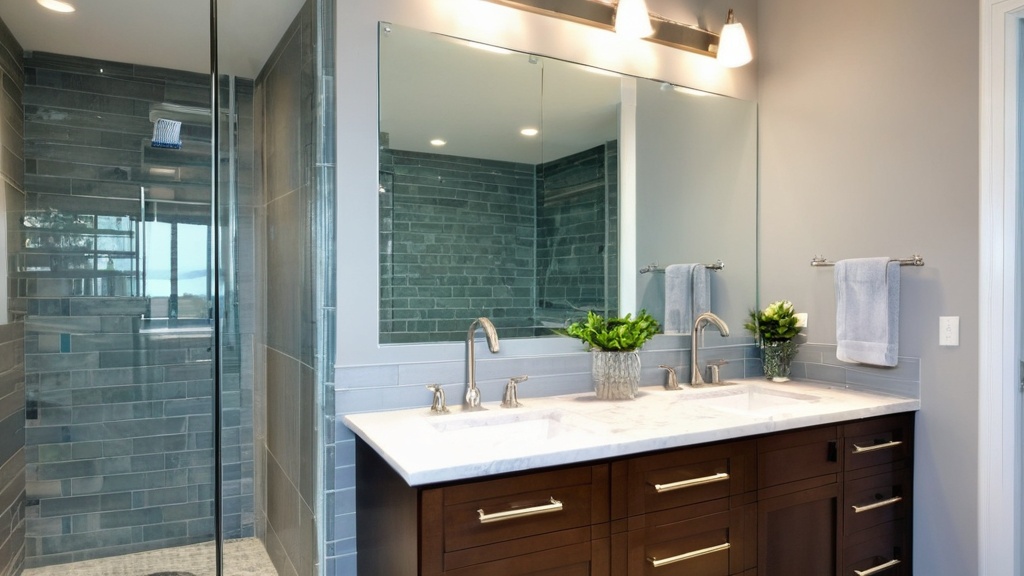
I envision the bathroom of 2026 as an integrated technological hub, seamlessly blending convenience, entertainment, and personal wellness. This is not about gratuitous gadgetry; it is about thoughtfully applied technology that genuinely enhances the user experience.
Smart Mirrors and Digital Displays
I predict that smart mirrors will become a cornerstone of the futuristic bathroom. These interactive displays, often integrated with voice assistants, can show news headlines, weather updates, calendars, and even personalized wellness routines. Imagine brushing your teeth while catching up on the day’s events or following a guided meditation. I also see applications for integrated digital displays within walls, offering ambient lighting control, temperature adjustments, and even personalized aromatherapy settings. These technologies transform the mirror from a simple reflection into an interactive portal, making the bathroom a more informed and engaging space.
Sensor-Activated Fixtures and Automated Comfort
I advocate for sensor-activated faucets, flush systems, and even lighting. These touchless technologies not only improve hygiene but also contribute to water conservation by preventing unnecessary running water. My vision extends to automated comfort features: underfloor heating systems that activate based on presence detection, smart thermostats that learn user preferences, and even heated towel rails that can be programmed remotely. Imagine stepping into a shower where the water temperature is perfectly pre-set to your liking, or a bathroom where the ambient lighting adjusts based on the time of day. This level of automation is about creating an environment that anticipates and responds to the user’s needs, like a well-trained concierge.
Entertainment and Sound Systems
I believe the bathroom is increasingly being viewed as a private sanctuary for relaxation and introspection. Integrated, waterproof sound systems will become more common, allowing for high-quality audio streaming. Whether it’s a podcast during a morning routine or calming music during a bath, the ability to effortlessly enjoy entertainment will be a key feature. I also foresee the integration of discreet smart speakers within the shower area, allowing for hands-free control of music, news, or even voice-activated controls for other smart devices in the home. This transforms the bathroom into a personal retreat, where the outside world can be momentarily forgotten.
If you’re considering a bathroom renovation in Vancouver, you might find inspiration in the article on how to enhance your space with innovative ideas for 2026. This resource offers a variety of suggestions that can help you create a modern and functional bathroom. For more information on the services available to assist with your renovation, check out this link to Markoni Renovations, where you’ll discover expert guidance tailored to your needs.
Wellness and Spa-Like Retreats
| Renovation Idea | Estimated Cost Range | Average Time to Complete | Popularity in Vancouver (2026) | Key Benefits |
|---|---|---|---|---|
| Walk-in Shower Installation | 3,000 – 7,000 | 1-2 weeks | High | Modern look, accessibility, easy maintenance |
| Freestanding Bathtub | 2,500 – 6,000 | 1 week | Medium | Luxurious feel, aesthetic appeal |
| Smart Bathroom Fixtures | 1,000 – 4,000 | 3-5 days | Increasing | Water efficiency, convenience, tech integration |
| Heated Flooring | 2,000 – 5,000 | 3-4 days | High | Comfort, energy efficiency |
| Eco-friendly Materials | Varies | Depends on project | Growing | Sustainability, health benefits |
| Custom Vanity Units | 1,500 – 4,500 | 1 week | High | Storage optimization, personalized design |
My analysis indicates a pronounced desire among Vancouver homeowners for bathrooms that transcend mere utility, evolving into personal wellness zones. This trend is a natural extension of the broader societal emphasis on mental and physical well-being.
Therapeutic Shower Experiences
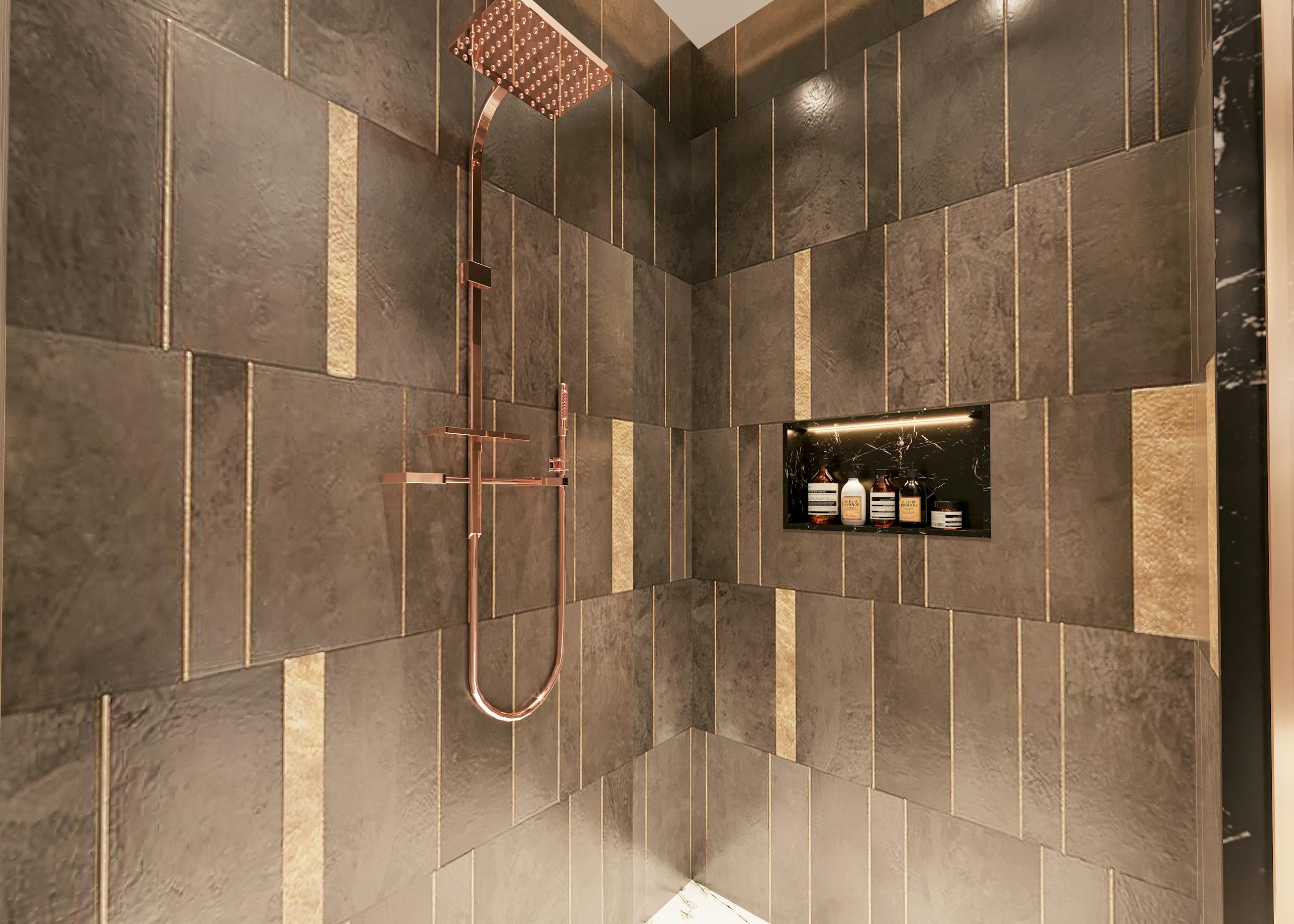
I envision showers that are not just for cleansing but for rejuvenation. This includes the integration of multiple showerheads – rain showers, body jets, and handheld wands – each offering a unique sensory experience. My recommendations often include thermostatic valves for precise temperature control and digital interfaces that allow for pre-programmed shower cycles. Chromotherapy lighting within the shower, with colors selected to evoke specific moods, will become more common. I also foresee the rising popularity of steam showers and infrared shower panels, which offer significant health benefits, including detoxification and muscle relaxation. These features transform the daily shower into a mini-spa treatment, a daily ritual of renewal.
Soaking Tubs and Sensory Engagement
I find that freestanding soaking tubs continue to be highly desirable, particularly in larger bathrooms. These tubs are not for quick washing; they are for an immersive, contemplative experience. I encourage clients to consider features like hydrotherapy jets for therapeutic massage, or air jets for a gentler, effervescent sensation. The surrounds of the tub are equally important: I often suggest natural elements like river stones, or recessed mood lighting to create a tranquil ambiance. Aromatherapy diffusers, integrated subtly into the bathroom design, will further engage the senses, transforming the space into a true sanctuary. The tub becomes an anchor for peace and profound relaxation, a personal oasis in the heart of the home.
Biophilic Design Principles
My approach to wellness in the bathroom increasingly incorporates biophilic design, which seeks to connect occupants with nature. This involves integrating natural elements directly into the space. Think of living walls or strategically placed potted plants that thrive in high-humidity environments. Natural light, maximized through well-placed windows or skylights (where privacy allows), is paramount. I also advocate for the use of natural materials like wood, stone, and woven textures to evoke a sense of the outdoors. The color palette often reflects nature, with earthy tones, blues, and greens. My aim is to blur the boundaries between the interior and the natural world, creating a calming and deeply resonant space that nurtures well-being. This is about bringing the tranquility of a forest clearing into your home.
As I conclude my exploration of Vancouver bathroom renovation trends for 2026, I recognize that these ideas are not prescriptive mandates, but rather a compass guiding homeowners through the myriad possibilities. My commitment is to provide well-researched and pragmatic insights, empowering individuals to create bathrooms that are not only aesthetically pleasing but also profoundly functional, sustainable, and reflective of their personal aspirations. The bathroom, in its evolving form, remains a cornerstone of the home, a space where design, technology, and well-being converge to create an essential retreat.
FAQs
What are the latest bathroom renovation trends for Vancouver in 2026?
The latest trends include eco-friendly fixtures, smart technology integration, minimalist designs, natural materials like stone and wood, and enhanced lighting solutions to create a spa-like atmosphere.
How can I make my Vancouver bathroom more energy-efficient during renovation?
Incorporate low-flow toilets and faucets, LED lighting, energy-efficient ventilation fans, and consider installing a tankless water heater to reduce water and energy consumption.
What permits are required for bathroom renovations in Vancouver?
Most bathroom renovations require a building permit from the City of Vancouver, especially if plumbing, electrical, or structural changes are involved. It’s important to check with local authorities before starting work.
How long does a typical bathroom renovation take in Vancouver?
A standard bathroom renovation usually takes between 3 to 6 weeks, depending on the scope of work, availability of materials, and contractor schedules.
What is the average cost of a bathroom renovation in Vancouver in 2026?
The average cost ranges from CAD 15,000 to CAD 40,000, depending on the size of the bathroom, quality of materials, and extent of the renovation. High-end renovations can exceed this range.